
Chest CT is a key imaging exam used to study the lungs, heart, thoracic blood vessels and mediastinal structures. It is a fast, safe and highly accurate diagnostic technique, widely used in the investigation of respiratory, cardiovascular and oncological diseases.
What is a Chest CT and what is it for?
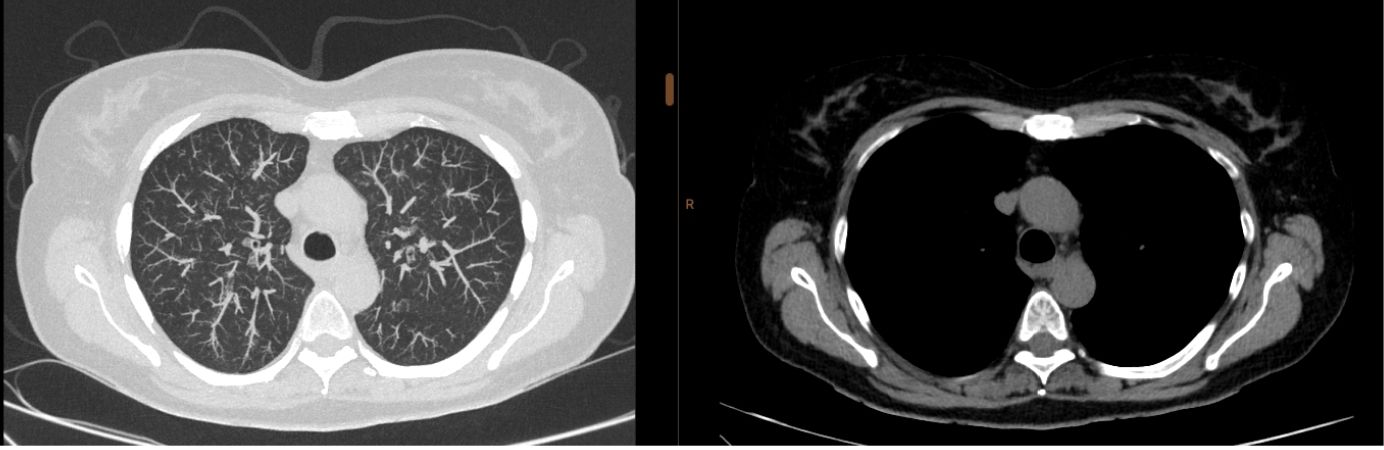
Chest CT is an imaging exam that uses ionising radiation to obtain detailed images of the lungs, mediastinum (where the heart, great vessels and lymph nodes are located), chest wall and other thoracic structures. It is more sensitive and detailed than a conventional X-ray.
How much does a Chest CT cost?
The price of a Chest CT when performed on a private basis is €120.
However, you can have a Chest CT through several agreements, including:
- SNS / ARS: When the Chest CT is performed through the SNS, the patient does not pay any amount (you must bring the Health Centre prescription);
- ADSE: If the Chest CT is performed through ADSE, the patient only pays a fee of €17;
- IASFA, ADM GNR, SAD PSP;
- Insurance companies: Médis, Multicare, Advance Care, Allianz, Saúde Prime, Future HealthCare, SS CGD, SAMS Quadros, SAMS, Montepio, RNA, Generali, Mudum, MGEN, Aegon, Vitória, Una Seguros, other insurers. In this case, the price of the Chest CT varies depending on the insurance you use.
- Health Plans: Medicare, Saúde Prime, Future HealthCare, Continente Wells, ACP, other health plans. In this case, the price of the Chest CT varies depending on the health plan you use.
- Protocols: NRD has protocols with several clinics and institutions that allow you to undergo the exam at very competitive prices. For Chest CT, the protocol price is €80.
How is it performed?
Chest CT is performed with the patient lying on a table that slides into the CT scanner. During the exam, the technician may ask you to hold your breath for a few seconds to improve image quality. Depending on the clinical suspicion, iodinated contrast may be administered intravenously. The exam lasts on average 10 to 15 minutes.
NRD has a latest-generation Philips 128-slice scanner, which provides sharp images with a low radiation dose, ensuring safety and effectiveness in every exam.

What does it detect?
Chest CT is an exam that can detect several pulmonary and cardiovascular changes, such as:
- Pulmonary nodules and tumours;
- Pneumonias and other respiratory infections;
- Chronic obstructive pulmonary disease (COPD) and emphysema;
- Pulmonary fibrosis and other interstitial lung diseases;
- Pleural effusion and pleural disease;
- Pulmonary thromboembolism and changes in pulmonary circulation;
- Aneurysms or dissections of the thoracic aorta;
- Mediastinal changes, including enlarged lymph nodes;
- Among others.
In which cases is it indicated?
Chest CT is usually requested by the doctor in situations such as:
- Investigation of persistent cough, shortness of breath or chest pain;
- Assessment of pulmonary nodules detected on X-ray;
- Evaluation of infectious diseases such as pneumonia or tuberculosis;
- Diagnosis of chronic lung diseases such as COPD or pulmonary fibrosis;
- Suspected pulmonary embolism or aortic disease;
- Diagnosis and staging of lung or mediastinal tumours;
- Surgical planning in thoracic or cardiovascular surgery;
- Monitoring the response to oncological or infectious treatments;
- Among others.
Chest CT with Contrast
Chest CT can be performed with or without contrast, depending on the clinical indication. The contrast used is usually iodinated and administered intravenously to highlight blood vessels and inflamed or tumoural tissues.
Injection of the contrast may cause a brief warm sensation or metallic taste, which quickly disappear. In these cases, fasting for 4 hours is usually required (you will be informed at the time of booking).
It is essential to inform the team about any known allergies (to medicines, foods, etc.), asthma, allergic rhinitis or previous reactions to contrast agents, as these situations may increase the risk of adverse reactions.
Preparing for a Chest CT
| Topic | Guidance |
| Exam prescription (paper copy) | You should bring the exam prescription in paper format. |
| Fasting | If the exam is performed with contrast, you must fast for 4 hours. When the exam is performed without contrast, fasting is not required. |
| Arriving early | Generally, you only need to arrive 15 minutes before the exam, except when oral contrast will be used. In that case, you should arrive 1 to 2 hours before the exam (you will be informed at the time of booking). |
| Previous exams | You should bring any relevant previous exams. |
| Previous medical history | Keep in mind your previous medical history regarding allergies, cardio-respiratory and kidney diseases, and usual medication. |
| Water | If necessary or if you wish, you may drink water. |
NRD will provide you with all necessary instructions at the time of booking.
Instructions during the exam
- Remain still to avoid artefacts on the images;
- In certain exams (for example thoracic, abdominal or pelvic), you should follow the breathing instructions given by the NRD healthcare professional.
When and how do you receive the results?
You will receive the CT scan results within up to 7 days after the exam, by email or in paper form at the clinic. On the day of the exam, you will take the CD with the images with you.
Where to have it done?
Chest CT can be performed at NRD, at the following address:
Avenida Columbano Bordalo Pinheiro, nº 11-B, ground floor, 1070 – 060 Lisbon (next to Praça de Espanha)